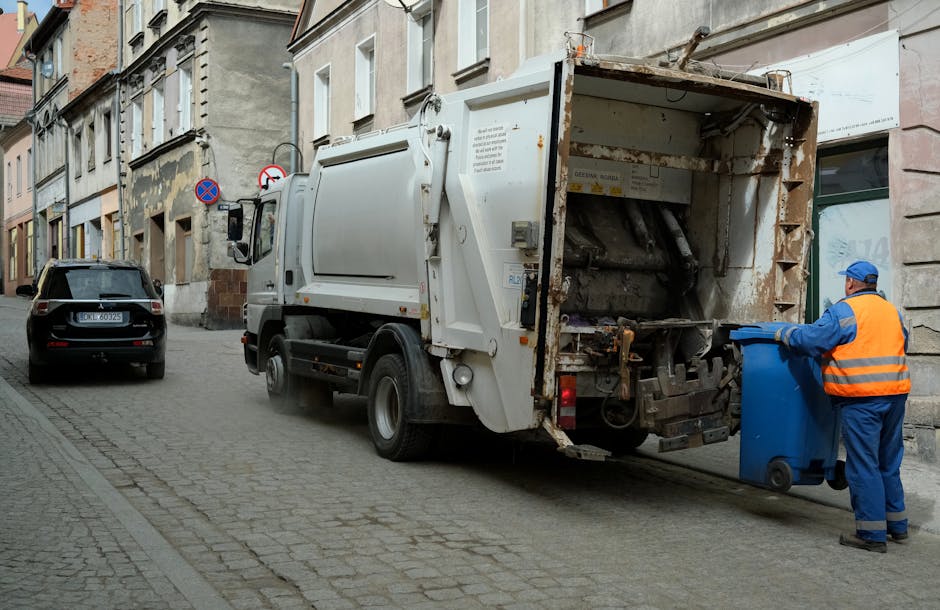
West Green Road rubbish removal for narrow access properties
West Green Road rubbish removal for narrow access properties is one of those jobs that sounds straightforward until you stand at the front door and realise the hallway is narrow, the stairwell bends sharply, and the skip lorry definitely is not getting anywhere near the back. In places like this, the problem is rarely the rubbish itself. It is the access. A tight passage, a shared entrance, a steep stair, or a flat tucked above a shop can turn a simple clearance into a careful bit of planning.
This guide explains how to handle that properly. You will learn what makes narrow access sites tricky, how professional rubbish removal usually works in these homes and flats, what to check before booking, and how to avoid the usual headaches. If you are dealing with old furniture, builders' waste, loft clutter, or a general property clear-out, this will help you make a better decision, and probably save a bit of stress too.
To keep things practical, we will also cover safety, compliance, comparison options, and a realistic checklist you can use before anyone arrives. And yes, there is a real difference between a rushed job and a tidy one. Especially on a busy road where parking is awkward and the front steps are doing their best to be inconvenient.
Expert summary: For narrow-access properties, the best rubbish removal plan is the one that reduces carrying distance, avoids damage to shared areas, and keeps the load-out as controlled as possible. In plain English: plan access first, rubbish second.
If your property is a flat above a parade, a converted house, a terrace with slim side access, or a building where moving items through communal space needs care, this article is for you.
Table of Contents
- Why it matters
- How it works
- Key benefits and practical advantages
- Who this is for and when it makes sense
- Step-by-step guidance
- Expert tips for better results
- Common mistakes to avoid
- Tools, resources and recommendations
- Law, compliance, standards, or best practice
- Options, methods, or comparison table
- Case study or real-world example
- Practical checklist
- Conclusion
- Frequently asked questions
Why West Green Road rubbish removal for narrow access properties Matters
Narrow access changes everything. A clearance that would be easy in a detached house with a driveway can become slow and awkward in a Victorian conversion, maisonette, or older terrace. On West Green Road, that is not unusual. You often have limited kerb space, busy foot traffic, shared entrances, tight staircases, and the eternal issue of where to park without making life difficult for everyone else.
The main reason it matters is simple: access affects time, labour, safety, and the chance of damage. If an item has to be carried carefully down three flights of stairs, through a narrow landing, and past a wall with chipped paint already showing, that is not the same as wheeling it straight to a truck. A proper plan reduces risk all round.
It also matters because rubbish removal is not just about what leaves the property. It is about how it leaves. That includes protecting floors, avoiding scratches on doors and bannisters, checking whether items can be dismantled before removal, and deciding whether a smaller vehicle or two-person team is more sensible than a larger truck. Truth be told, the smartest option is often the less dramatic one.
For property owners, landlords, tenants, estate agents, and small businesses, this kind of planning can make the difference between a quick tidy-up and a day of avoidable frustration. If the site is awkward, the service should adapt to the site, not the other way round.
How West Green Road rubbish removal for narrow access properties Works
The process usually starts with an access assessment. That does not have to be formal, but it should be thoughtful. A good provider will want to know where the rubbish is, what needs removing, whether there are stairs, how wide the entrance is, whether parking is nearby, and if any items need dismantling first.
From there, the team plans the collection method. In narrow-access properties, that might mean smaller carrying teams, more careful loading, or breaking bulky items down before removal. It may also mean timing the job to avoid the busiest parts of the road. If you have ever watched a bulky sofa get stuck on a tight landing, you know why this matters. Slightly comic from the outside, less funny when it is your sofa and the wall.
Items are then sorted into what can be reused, recycled, or disposed of responsibly. Depending on the type of waste, this may include mixed household rubbish, old furniture, white goods, office clutter, garden waste, or builders' debris. If you are clearing out more than one area of the property, a broader service such as home clearance or flat clearance may be more efficient than booking several smaller visits.
For bulky pieces, careful dismantling can be the best route. This is especially true for wardrobes, bed frames, shelving, desks, and awkward corner units. If an item is beyond sensible repair or reuse, furniture disposal may be the most direct option, while still allowing salvageable parts to be separated where possible.
Where access is especially tight, you may even find that a job which starts as general rubbish removal becomes a mixed clearance. That is normal. The point is to keep it organised.
Key Benefits and Practical Advantages
The biggest benefit is control. Narrow access jobs are much easier when handled by people who understand how to move waste without making a scene of it. You get a cleaner result, less disruption, and fewer surprises halfway through.
Another clear advantage is reduced damage risk. Tight corridors, stair rails, tiled thresholds, and old plasterwork do not love being brushed by a heavy wardrobe on a damp morning. Careful removal protects the property and the people in it. You may not think much about floor protection until you hear the slight scrape of a wheel on stone steps. Then suddenly it matters a lot.
There is also a time saving. What looks like a simple do-it-yourself trip to the tip can turn into several journeys, parking stress, and a lot of lifting. In a narrow-access property, the hidden cost is usually effort. And back pain. Let's face it.
Professional clearance also helps with sorting. A service that handles waste properly can separate recyclable material and avoid unnecessary landfill use. If sustainability matters to you, it is worth asking about the provider's approach to recycling and reuse. A clear explanation is a good sign. You want practical reuse where possible, not vague talk.
For landlords and agents, another benefit is presentation. A property cleared properly is easier to inspect, photograph, rent, sell, or refurbish. For business premises on or near West Green Road, this can be especially useful when clutter is blocking storage areas, front rooms, or small back-of-house spaces.
Who This Is For and When It Makes Sense
This type of rubbish removal makes sense for anyone dealing with limited access and awkward movement routes. The most common situations include:
- top-floor flats with narrow staircases
- converted houses with shared entrances
- terraced homes with no driveway
- properties with slim side passage access
- commercial units with tight rear loading areas
- student lets or HMOs with clutter spread across several rooms
- builders working in older properties where skips are impractical
It also suits people who are clearing one or two bulky items rather than a whole property. For example, a broken wardrobe, a heavy sofa, or old office furniture can become a real nuisance if the route out is awkward. A tailored rubbish removal visit is often more sensible than asking friends to help and hoping the staircase behaves itself.
For more substantial clear-outs, related services may be a better fit. A house clearance is often the right choice when the whole property needs attention, while office clearance can help where desks, filing units, and mixed business waste need removing from a cramped site. If the job involves renovation leftovers, builders waste clearance may be the more suitable service.
When does it make sense? Usually when the access issue is likely to cost you more in time, effort, or risk than a proper removal would. That is the rough rule. Simple, but useful.
Step-by-Step Guidance
1. Survey the route out of the property
Start with the path from the waste to the vehicle. Measure the narrowest points if you can, or at least look closely at the stair width, doorway turns, and any tricky landings. A quick walkthrough with your phone torch can reveal annoying little details, like a door that opens inward and blocks the turn.
2. Separate bulky items from loose waste
Put large furniture, bagged rubbish, and recyclable items into sensible groups. This makes loading smoother and helps decide whether the team needs tools for dismantling. If there are old cabinets, bed bases, or shelving, move them to one accessible area where possible.
3. Check parking and loading constraints
On a road like West Green Road, parking can shape the whole job. If loading directly outside is unlikely, allow extra carrying distance. That affects timing. It also affects how many hands are needed.
4. Share access details before the visit
Be honest about the awkward bits. Narrow stairs, low ceilings, a shared hallway, a locked gate, a buzzer system, or an upstairs flat with no lift - all of that matters. Clear access information helps avoid delays and keeps the team prepared.
5. Protect the property before lifting starts
Lay down coverings where needed, especially on old floors or in shared hallways. Good removal teams usually come ready for this, but it never hurts to point out sensitive areas. A bit of preparation goes a long way.
6. Decide whether items should be reused, recycled, or disposed of
Some items may still have life left in them. Others are just done. If the furniture is damaged beyond reasonable use, disposal is the practical answer. If not, reuse and recycling should be considered first.
7. Confirm the plan for final sweep-up
Ask what happens after the waste is loaded. A proper clearance should leave the area tidy, not just empty. Small fragments, dust, and packaging bits can easily be left behind in a rushed job.
Expert Tips for Better Results
First, be specific about the property type. Saying "it is a flat" does not tell anyone whether it is ground floor with a narrow alley or third floor with a spiral staircase. The more exact you are, the better the plan.
Second, photograph the awkward spots. Not to be overly fussy, but a few pictures of the entrance, stairs, and the waste itself can save a lot of back-and-forth. It is especially useful for furniture that needs dismantling.
Third, think about sound and disturbance. Tight access often means waste being moved close to neighbours' doors, shared windows, or small courtyards. A well-run job keeps noise and disruption low, which is just good manners really.
Fourth, keep the route clear before the team arrives. Shoes, umbrella stands, plant pots, and that one stubborn box in the hall all slow things down. A surprisingly common problem.
Fifth, ask how the company handles mixed waste. If you have a combination of household items, broken furniture, and a bit of renovation debris, it helps to know whether they can take it all in one visit or whether it should be separated.
If you want to compare related services before booking, look at general waste removal for mixed loads and garage clearance if you are dealing with long-stored items that have become oddly heavier over time. That last part always happens, somehow.
Common Mistakes to Avoid
The biggest mistake is underestimating access. People often focus on the volume of rubbish and forget that a single heavy item can dominate the whole job. If the route is awkward, do not assume it will sort itself out on the day.
Another common issue is poor sorting. Mixing everything together can make the removal slower and less efficient. It can also make recycling harder. A bit of pre-sorting saves hassle later.
Do not forget shared spaces. In flats and converted properties, communal hallways, stairwells, and entrance doors need care. Scraped walls and blocked exits are avoidable, and nobody wants a neighbour complaint before lunch.
People also sometimes book the wrong type of service. A small rubbish removal may be fine for a few bags, but not for a full flat clearance. Likewise, a furniture-only collection is not ideal if there is builders' debris, carpets, and mixed waste in the same room.
Finally, avoid assuming every item can be taken as-is. Some things are too bulky to move safely without dismantling. Some need extra handling. Some are awkward in ways that look minor until you are halfway down a staircase. That is why access planning matters so much.
Tools, Resources and Recommendations
You do not need a huge toolkit to prepare well, but a few basic items help:
- measuring tape for doors, hallways, and stair widths
- phone camera for access photos
- marker pens or labels for sorting waste
- heavy-duty bags or boxes for loose items
- dust sheets or floor protection for sensitive surfaces
- a torch for darker stairwells and loft landings
For larger furniture, basic dismantling tools can be useful if you know how to use them safely. If not, leave that to the clearance team. No shame in that. A wobbly wardrobe and a blunt screwdriver are not a good combination.
When choosing a provider, look for clear explanations of how they handle access, lifting, loading, recycling, and payment. Pages such as pricing and quotes, payment and security, and insurance and safety are useful signs that the company takes the practical side seriously.
If sustainability is important, check their recycling approach too. A responsible clearance service should be able to explain what happens to reusable furniture, recyclable material, and general waste. See also recycling and sustainability for more on that approach.
Law, Compliance, Standards, or Best Practice
For rubbish removal in the UK, the key point is simple: waste should be handled responsibly, safely, and lawfully. You do not need to become an expert in waste law to arrange a sensible clearance, but it helps to know the basics.
As a customer, you should expect a provider to manage waste in line with accepted industry practice, take care with manual handling, and avoid dumping or careless disposal. If business waste is involved, the expectations are often stricter, especially where records, segregation, and responsible disposal matter. For that reason, some clients choose a dedicated business waste removal service rather than a general clearance.
Safety matters too. Narrow staircases, basement steps, and shared entrances create extra risks, so reasonable precautions should be part of the job. That may include planning team size, using proper lifting technique, wearing suitable protective equipment, and protecting floors and walls where needed.
Best practice is usually common sense done properly: clear communication, careful handling, sensible loading, and proper sorting of waste. If a company is vague about how it works, or shrugs off the access issue, that is a sign to slow down and ask more questions.
If you are ever unsure about what can be removed, what needs separating, or how a specific item should be handled, ask before booking. It is much easier to clarify beforehand than to solve a problem on the stairs.
Options, Methods, or Comparison Table
There is more than one way to clear a property with narrow access. The right choice depends on the size of the load, the building layout, and how quickly you need the space cleared.
| Method | Best for | Pros | Limitations |
|---|---|---|---|
| Manual rubbish removal with a small team | Flats, terraces, and properties with tight stair access | Flexible, careful, suitable for awkward routes | May take longer for larger loads |
| Furniture-focused collection | Bulky items like sofas, wardrobes, and beds | Efficient for large single items | Not ideal for mixed waste |
| Full flat or home clearance | End-of-tenancy, probate, or major declutter jobs | One visit can cover a lot of ground | Can be more involved and needs clear access planning |
| Builders' waste clearance | Refurbishment or renovation leftovers | Good for rubble, packaging, timber, and mixed site waste | May need more sorting and heavier lifting |
As a rough rule, the smaller and tighter the access, the more valuable a flexible manual clearance becomes. For a light load, it may be the simplest option. For a full property, a broader service like house clearance or flat clearance often makes more sense than piecemeal removal.
Case Study or Real-World Example
Here is a realistic example. A resident in a narrow upstairs flat off West Green Road needs to clear an old sofa, a bed frame, two wardrobes, and several bags of mixed household rubbish. The staircase is tight, the landing turns sharply, and the front door opens close to the pavement. Parking is limited. Not ideal.
Instead of trying to force everything out in one awkward rush, the team first checks what can be dismantled. The wardrobes are broken down into manageable pieces. The sofa is assessed for width and weight, then moved carefully with wall protection in place. The bags are grouped and taken down separately so the stairway stays clear. The whole job is completed without rushing, and the hallway is left tidy.
The real win here is not speed on paper. It is avoiding damage, reducing strain, and preventing neighbour disruption. A rushed clearance might have been a mess. This one was just a bit of careful work. Quiet, efficient, done.
That is usually how good narrow-access rubbish removal feels: not dramatic, just properly handled.
Practical Checklist
Use this before booking or on the morning of collection:
- Confirm the exact property type and floor level
- Measure the narrowest doorway, stair, or corridor if possible
- Take photos of awkward access points
- List all items to be removed
- Separate furniture, loose rubbish, and builders' waste
- Check parking and loading space near the property
- Clear the access route of shoes, boxes, and small obstacles
- Protect floors or fragile surfaces if needed
- Tell the provider about shared entrances or neighbour-sensitive areas
- Ask about recycling, dismantling, and final tidy-up
- Confirm payment details and any assumptions about the quote
Quick tip: if you are even slightly unsure whether something will fit out of the property in one piece, assume it will not. Plan for dismantling. That simple habit prevents a lot of awkwardness.
Conclusion
West Green Road rubbish removal for narrow access properties is all about good planning, careful movement, and choosing the right service for the building you actually have, not the one you wish you had. Narrow stairs, shared hallways, and limited parking do not have to make the job difficult, but they do mean the clearance has to be handled with more thought.
If you prepare the access details, sort the waste sensibly, and work with a team that understands tight-space clearances, the process becomes much smoother. Less stress. Less risk. Better results. And in a busy part of London, that really counts.
Whether you are clearing a flat, a house, a garage, or a set of awkward bulky items, the right approach is the one that protects the property and gets the waste out without drama. That is the job, after all.
Get a free quote today and see how much you can save.
If you would like to learn more about the company behind these services, you can also visit the about us page or head straight to contact us when you are ready to arrange a visit.
Frequently Asked Questions
What makes narrow access rubbish removal different from standard clearance?
The main difference is the route out of the property. Narrow stairs, tight halls, low ceilings, and shared entrances make lifting and carrying slower and more delicate. The waste may be ordinary, but the access is not.
Can rubbish be removed from a flat with no lift?
Yes, in many cases it can. The key is planning for the staircase, the item sizes, and the carrying distance. Smaller teams, careful dismantling, and good floor protection often make the job manageable.
Do I need to sort the waste before collection?
It helps, but it does not need to be perfect. Separate obvious furniture, loose rubbish, and building debris if you can. That makes the clearance quicker and can improve recycling outcomes.
What if my sofa or wardrobe will not fit through the door?
Then dismantling is usually the answer. Many bulky items can be broken down into smaller pieces before removal. If the item is very damaged, disposal may be simpler than trying to move it whole.
Is narrow access rubbish removal more expensive?
It can be, because tight access often takes more time and labour. The final price usually depends on the amount of waste, the access difficulty, and whether anything needs dismantling or special handling.
Can you remove builders' waste from an awkward property?
Yes, provided the route is safe and the materials can be carried out properly. For renovation debris, a builders waste clearance approach is often the most suitable.
What should I tell the removal team before they arrive?
Tell them the floor level, stair layout, parking situation, any tight turns, and what items need removing. Honest access details save time and reduce the chance of problems on the day.
How do I protect my hallway or stairs during removal?
Use floor coverings if the surfaces are delicate, and clear small obstacles before the team starts. Good providers will usually take care with this too, especially in older properties where scuffs show quickly.
Can business premises on West Green Road use the same service?
Yes. Small offices, shops, and mixed-use premises often need tailored removal because access is tight and the waste varies. A dedicated business waste removal service may be the better fit.
What happens to the items after collection?
Reusable items may be separated from general waste, and recyclable materials should be handled accordingly. Responsible providers will aim to keep disposal sensible and environmentally minded where possible.
How far in advance should I book?
If the access is awkward or the job is large, book as early as you reasonably can. That gives time to assess the route, answer questions, and plan for any dismantling or parking issues.
Where can I learn more about related services?
You can explore options such as furniture clearance, loft clearance, or recycling and sustainability if your project involves different types of waste or a more detailed clear-out.