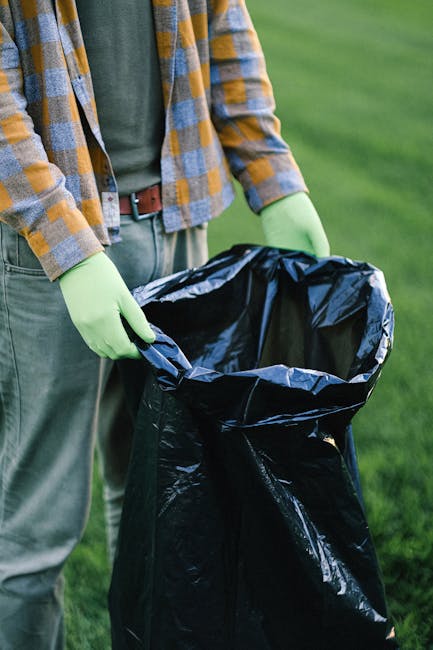
Seven Sisters station rubbish collection points and pickup tips
If you've ever stood near a station entrance with a black bag in one hand and a clipboard of "I'll sort this later" in your head, you'll know the feeling: rubbish builds up fast, and it never waits for a convenient moment. Around a busy transport hub, that becomes more than a tidy-up issue. It affects footfall, safety, complaints, timing, and how smoothly collections happen. This guide to Seven Sisters station rubbish collection points and pickup tips explains the practical side of getting waste out of the way without causing extra hassle, whether you're dealing with daily refuse, bulky items, commercial waste, or a one-off clear-out.
We'll look at how collection points typically work, where problems usually start, what good pickup planning looks like, and how to avoid the small mistakes that make a simple job turn into a messy one. There's also a checklist, a comparison table, and a few realistic examples from everyday site conditions. Nothing flashy. Just the stuff that actually helps.
Quick takeaway: the best rubbish collection setup near Seven Sisters station is the one that is easy to access, safe for pedestrians, clear for collectors, and realistic about timing. Simple sounds obvious. In practice, it's where most jobs go right-or wrong.
For larger waste jobs, it can also help to understand the difference between a quick pick-up and a fuller clearance service. If you need support beyond a simple bin lift, services such as waste removal, home clearance, or office clearance may be a better fit depending on the type and volume of waste involved.
Table of Contents
- Why Seven Sisters station rubbish collection points and pickup tips matters
- How Seven Sisters station rubbish collection points and pickup tips works
- Key benefits and practical advantages
- Who this is for and when it makes sense
- Step-by-step guidance
- Expert tips for better results
- Common mistakes to avoid
- Tools, resources and recommendations
- Law, compliance, standards, or best practice
- Options, methods, or comparison table
- Case study or real-world example
- Practical checklist
- Conclusion
- Frequently asked questions
Why Seven Sisters station rubbish collection points and pickup tips Matters
A station area is not a quiet cul-de-sac. People are moving in different directions, deliveries arrive in awkward windows, and the pavement can feel busy even before the morning rush really kicks in. That means rubbish collection points need to do two jobs at once: hold waste securely until pickup, and stay out of everyone's way.
When those points are poorly managed, the problems are easy to spot. Bags spill. Cardboard gets wet and spreads. Food waste attracts pests. Bulky items block access. And if collectors can't safely reach the waste, they may have to delay the lift or return later. That is inconvenient for everyone, and honestly, it's usually avoidable.
Pickup tips matter because timing and placement are often just as important as the waste itself. A neat bag left in the wrong place can become a hazard. A properly sorted load left in a sensible location can disappear in minutes. The difference is smaller than people think.
There's also a reputational side. Businesses near busy transport links are visible. Residents are visible too. If a collection point looks scruffy for long enough, it becomes part of the street's background noise, which is never ideal. A clean, predictable setup tells people that the place is looked after.
How Seven Sisters station rubbish collection points and pickup tips Works
At a practical level, rubbish collection near a station usually follows a simple chain: waste is produced, separated, stored, presented, collected, and then moved on for transfer, treatment, recycling, or disposal. The trick is making that chain smooth enough that nobody has to improvise at the kerbside.
Typical collection-point setup
A good collection point near Seven Sisters station is usually one that is:
- easy for the waste carrier to access without blocking people or vehicles
- clear of shopfronts, entrances, and emergency access routes
- big enough for the expected waste volume
- protected from weather where possible
- marked or agreed in advance, so there is no guessing on the day
That last bit sounds minor. It isn't. People waste a surprising amount of time trying to explain "it's just around the corner" while standing beside three different black bins and a half-flat cardboard box.
What pickup tips actually change
Good pickup tips reduce friction. They help collectors get in, load up, and leave without needing a second conversation. In practice, that means:
- putting waste out at the right time, not too early and not too late
- separating recyclables from mixed rubbish where possible
- keeping sharp or heavy items secure
- making bulky pieces easier to move
- avoiding overfilled bags that split on pickup
For mixed domestic and commercial clear-outs, a more tailored service can make life easier. For example, a flat above a shop might need flat clearance for household items, while the business downstairs may need business waste removal for packaging, office waste, or stockroom clutter. Same street. Different waste. Different approach.
What the collector is looking for
From the collector's side, the ideal pickup is predictable. They are checking for safe access, correct waste type, easy handling, and whether the load can be taken in one go. If the bag is ripped, the box is leaking, or the item was never meant to sit on a public pavement in the first place, the whole process slows down.
That's why planning matters more than people expect. A few minutes of prep can save a return trip later in the day. And let's face it, nobody enjoys carrying a fridge or a broken desk back through the same route twice.
Key Benefits and Practical Advantages
When collection points are well managed, the benefits are immediate and pretty visible.
- Cleaner surroundings: waste is contained, not spread across the pavement.
- Safer foot traffic: fewer trip hazards and less obstruction near station flows.
- Faster pickups: collectors can work more efficiently when the waste is ready.
- Better separation: recycling and general waste are easier to sort if they are not mixed into one heap.
- Lower stress: there is less back-and-forth, fewer missed items, and less "where did that bag go?" energy.
There is also a business angle. If you run a shop, small office, cafe, salon, or rented flat near the station, regular waste handling helps you keep the place usable. It sounds unglamorous because it is. But a cluttered rear yard or overflowing corner can quietly affect staff morale and customer confidence. Not dramatic, just real.
For awkward loads, it can be worth looking beyond basic bin collections. A full house clearance, garage clearance, or loft clearance can remove bulky or accumulated waste in a single visit, which is often simpler than trying to piece it together job by job.
Who This Is For and When It Makes Sense
This topic is useful for a wider mix of people than you might expect.
Property managers and landlords
If you're managing flats or shared buildings near Seven Sisters station, you need waste collection to be steady and predictable. Communal bins can fill quickly. Bags get abandoned. And if you are dealing with move-outs, the waste stream changes fast.
Shop owners and hospitality businesses
Retail and food businesses produce different waste at different times of day. Packaging, cardboard, food waste, broken fixtures, and the odd bulky item all pile up in their own way. A smart collection point can keep rear access usable and reduce early-morning problems.
Residents handling a clear-out
Maybe you're moving, downsizing, sorting a relative's property, or just finally dealing with the garage that has become a storage monument. You may not need a long-term waste plan. You probably do need a straightforward pickup strategy.
Builders and trades
Light renovation work creates a surprising amount of waste: plasterboard offcuts, broken packaging, timber, tiles, broken fittings. In those cases, a service such as builders waste clearance is usually a better match than trying to force everything into general rubbish.
When it makes sense to bring in help
It makes sense when the waste is bulky, mixed, heavy, time-sensitive, or awkward to move safely. It also makes sense when the collection point itself is difficult-tight access, narrow stairs, shared entrances, or a street that gets busy very early in the day.
Step-by-Step Guidance
Here's the simplest way to handle collection points and pickups near Seven Sisters station without overcomplicating things.
- Identify the waste type. Start by separating general rubbish, recyclables, bulky items, and anything that needs special handling. Don't wait until collection day to decide what counts as what.
- Estimate the volume. A couple of bags is one thing. A hallway full of packaging and a broken armchair is another. Volume affects how you stage the pickup.
- Choose a safe staging point. Keep the waste somewhere accessible but not in the way of pedestrians, doors, shop entrances, or traffic.
- Bag and bundle properly. Use strong bags, tape loose items, flatten cardboard, and secure anything sharp or awkward. A wobbling pile is nobody's friend.
- Mark the collection time clearly. If more than one person is involved, make sure everyone knows when the waste should go out.
- Keep access clear. Remove parked obstacles, bikes, crates, and loose equipment that could delay loading.
- Double-check restricted items. Some materials need special handling, and it's better to clarify early than discover a problem on the pavement.
- Confirm completion. Once collected, check the area for spill debris, broken packaging, or items that were left behind by mistake.
If you're dealing with a full property reset, it can help to think beyond the immediate rubbish point and look at the whole space. A combined furniture clearance and furniture disposal approach is often cleaner than moving items around the property twice.
Expert Tips for Better Results
In our experience, the jobs that run well usually have the same small habits in place. Nothing fancy. Just sensible habits repeated consistently.
1. Flatten before you move
Cardboard boxes, packaging sleeves, and empty cartons take up far less room when flattened. That makes the collection point tidier and easier to load. It also helps you see what is actually there, which is surprisingly useful.
2. Keep mixed waste to a minimum
Once everything is dumped together, sorting becomes slower and messier. If you can separate bulky recyclable items from general refuse, do it. Even partial separation can help.
3. Use a staging zone, not a spill zone
There's a difference between "ready for collection" and "left wherever it landed." A marked corner, rear yard, or agreed holding area works better than a loose pile beside the door. To be fair, a pile beside the door is how little annoyances become bigger ones.
4. Plan around busy windows
Station areas are lively at the obvious times: early morning, lunch, commute peaks, and late afternoon. Pickups are usually easier just outside those windows if your access is flexible.
5. Think about wet weather
Rain turns cardboard soft, makes bags sag, and can spread lightweight litter. If the forecast looks grim, cover what you can and avoid leaving loose waste exposed for too long. A damp packet of packaging is not a disaster, but it is annoying and avoidable.
6. Keep a simple waste log for repeated pickups
If your site generates regular waste, a basic note of what goes out, when, and how much can make future pickups smoother. No need for a dramatic spreadsheet unless you enjoy that sort of thing. Even a notebook does the job.
Common Mistakes to Avoid
Most collection problems come from a small number of repeat mistakes.
- Leaving waste too early: this can create clutter, attract complaints, and get in the way of people passing through.
- Overfilling bags: split bags waste time and leave mess behind.
- Blocking access routes: if the collector can't get in safely, the pickup gets slower or may need to be rescheduled.
- Mixing everything together: this makes sorting harder and can reduce the value of recyclable material.
- Ignoring heavy or sharp items: these need extra care and may require specific handling.
- Assuming the right pickup point is obvious: what seems obvious to you might be invisible to someone arriving for the first time.
A small example: a cafe near a station might set out folded cardboard behind the shop, but if the pavement is the only clear route for a trolley, that "temporary" stack can turn into a daily nuisance. The fix is usually simple-move the point, reduce the volume, or change the pickup timing. Simple. Not always easy, but simple.
Tools, Resources and Recommendations
You do not need a truckload of equipment to do this well, but a few basic tools make a noticeable difference.
- Heavy-duty bin bags: helpful for mixed waste and anything with jagged edges.
- Sturdy tape and ties: useful for securing loose packaging or awkward bundles.
- Gloves: especially important where debris, broken materials, or damp waste are involved.
- Hand trolley or sack truck: a lifesaver for bulky items or multiple bags, provided the route is clear.
- Label tape or markers: handy for separating categories or marking items that should not be moved casually.
For larger recurring needs, it may be more practical to use a service built around regular or complex waste streams. Depending on the situation, that could include garage clearance for storage-heavy properties, garden clearance for outdoor waste, or office clearance where desks, files, and furniture are being removed together.
You can also use the company's service pages to understand the wider support available, including recycling and sustainability practices, which matter if you want the job handled with lower waste impact and a bit more care.
Law, Compliance, Standards, or Best Practice
Waste handling in the UK comes with practical responsibilities, even when the job itself looks straightforward. You do not need to become a legal specialist to get this right, but you do need to take care with how waste is stored, moved, and handed over.
The main best-practice principles are simple:
- keep waste contained and secure before pickup
- do not block public access or emergency access
- separate waste where reasonable and safe to do so
- use a reputable carrier for anything that needs removal from site
- make sure waste is handled responsibly rather than dumped informally
For business premises, that usually means treating waste as part of site management, not an afterthought. For households, it means making sure bulky items, mixed loads, and anything potentially hazardous are dealt with properly. If you are unsure about a material, it is better to ask first than to leave it out and hope for the best. That rarely ends well.
Good operators also tend to think about safety policies, insurance, and how waste is handled during loading and transport. If you want to understand a provider's approach before booking, pages like health and safety policy and insurance and safety can help you judge whether their working standards fit your needs.
One more thing: access arrangements near a station can change quickly. If a pickup point works only because everyone remembers an informal routine, it is worth turning that routine into a proper plan. Best practice is often just common sense written down.
Options, Methods, or Comparison Table
Not every waste job near Seven Sisters station needs the same solution. Here's a simple comparison to help you choose the right approach.
| Method | Best for | Strengths | Limitations |
|---|---|---|---|
| Kerbside bag collection | Small, regular household waste | Quick, familiar, low effort | Not suitable for bulky or mixed loads; timing must be neat |
| Scheduled waste pickup point | Recurring business or shared-property waste | Predictable, easier to organise, good for repeated use | Needs a clear storage area and good discipline |
| Bulk clearance visit | Furniture, mixed waste, property clear-outs | Removes more in one go, less back-and-forth | Requires more planning and usually more space on collection day |
| Specialist removal service | Builders waste or awkward mixed materials | Better suited to heavier, messier, or more complex jobs | May need more upfront explanation and prep |
In plain English: if it is a few bags, keep it simple. If it is mixed, bulky, or likely to cause access headaches, choose a fuller clearance method. Many people wait too long to make that switch. Then they end up moving the same item three times. Nobody wants that.
Case Study or Real-World Example
Picture a small property just off the station approach. Nothing dramatic-two floors, a narrow rear path, and a shared side access that gets used by neighbours and deliveries. The occupier has been clearing out after a long tenancy, so the waste is a mixture of boxed items, broken shelving, an old chair, and a few heavy bags of general rubbish.
At first, the instinct is to place everything near the back door and wait for collection. But the route is tight, the weather is drizzly, and people still need to use the shared path. So the better move is to split the waste into smaller groups, flatten the packaging, bundle the lightweight items, and move the bulky bits to a position that does not obstruct daily traffic.
What changed? The pickup became calmer. The collector didn't have to navigate a random obstacle course. The path stayed usable. And the occupant avoided the classic last-minute panic of "where has that box gone?" because the layout had already been thought through. Small difference, big result.
That same logic works just as well for businesses. A rear yard full of stock cartons and broken display items looks manageable right up until the delivery driver arrives and everyone needs the same space. A bit of planning before the pickup saves time, reduces friction, and keeps the site looking better in the meantime.
Practical Checklist
Use this before any rubbish pickup near Seven Sisters station.
- Waste is sorted into the right categories
- Bags are strong and not overfilled
- Cardboard and packaging are flattened
- Sharp, heavy, or awkward items are secured
- The collection point is agreed and clearly accessible
- Pedestrian routes are left clear
- The pickup time is realistic for the site's busy periods
- Any bulky items have enough space for safe handling
- There is a simple plan for rain, spillages, or last-minute changes
- Someone on site knows what has been collected and what has not
If your waste is more than a quick tidy-up, it may be worth arranging a proper service rather than trying to patch it together. A planned visit through pricing and quotes can help you compare options without guesswork, and contact us is the sensible next step when you want the job discussed properly.
Conclusion
Seven Sisters station rubbish collection points and pickup tips come down to the same core idea: make waste easy to remove without making life harder for everyone else. When the waste is sorted, the access is clear, and the timing fits the site, the whole process feels easier. Almost boringly easier, which is exactly what you want.
That applies whether you're dealing with daily bags, a flat clear-out, a shop stockroom, or a bigger load that needs specialist handling. The more thought you give the collection point before pickup day, the less stress you carry on the day itself. And that's a good trade.
If you want a clearer, cleaner way to manage waste near the station, start with the smallest practical change: sort what can be sorted, move the waste to a sensible place, and keep the route open. The rest usually follows. One step at a time, really.
Get a free quote today and see how much you can save.
Frequently Asked Questions
What is the best way to organise rubbish collection points near Seven Sisters station?
The best setup is usually a clear, agreed storage point that is easy for collectors to reach and does not block pedestrians or building access. Keep it simple and predictable.
How early should rubbish be put out for pickup?
It depends on the arrangement, but the general rule is not to leave waste out so early that it becomes clutter or creates access issues. Put it out close enough to avoid damage, weather exposure, or obstruction.
Can I mix general rubbish with cardboard and recycling?
You can, but it is better not to if you can avoid it. Separation makes collection cleaner, faster, and more efficient, and it may improve what can be recycled.
What should I do with bulky items like furniture or broken shelving?
Bulky items usually need more planning than bagged waste. Bundle what can be bundled, clear a safe route, and consider a fuller clearance service if the item is awkward or heavy.
How do I stop rubbish collection points from looking untidy?
Use a designated area, flatten packaging, avoid overfilling bags, and don't let waste sit longer than necessary. A tidy collection point usually reflects good timing more than expensive equipment.
Is it better to use a regular pickup or a one-off clearance?
If waste is recurring and fairly predictable, regular pickup is usually more efficient. If you have accumulated items, a move-out, or mixed bulky waste, a one-off clearance is often the simpler route.
What if access is tight near the station?
Tight access is common around busy transport areas. In that case, planning matters even more: smaller loads, clearer timing, and a collection point that does not obstruct foot traffic or neighbours.
Do I need a specialist service for builders waste?
If the waste includes rubble, offcuts, broken fixtures, or mixed construction debris, a dedicated builders waste clearance is usually more practical than general rubbish removal.
What are the most common pickup mistakes people make?
Overfilling bags, blocking access, leaving waste out too long, and failing to separate materials are the usual culprits. They sound minor, but they cause most of the hassle.
How can I prepare for a same-day pickup?
Sort the waste early, clear the route, confirm the pickup point, and bundle items so they can be lifted quickly. Same-day jobs work best when the waste is already half-ready before the collector arrives.
Are there any safety concerns I should think about?
Yes. Sharp edges, broken glass, damp bags, heavy items, and obstructed routes are all worth paying attention to. Safe handling matters just as much as getting rid of the waste.
Where can I learn more about responsible disposal and service options?
You can look through the site's service and policy pages, including recycling and sustainability, about us, and terms and conditions to understand the approach before booking.